

Immersive Gamification That Captures Attention
One of the biggest challenges for event planners is attracting and keeping attendees engaged. AR and VR games solve this by immersing people in interactive worlds where they can play, explore, and compete.
For example, VR racing simulations allow attendees to experience adrenaline-pumping action, while AR scavenger hunts turn a venue into an interactive playground. Gamification—through points, leaderboards, and prizes—encourages longer participation and sparks friendly competition.
Brands also benefit from these activations. By embedding their products or messages into game mechanics, companies create a marketing experience that feels fun rather than forced.
Augmented Reality Enhancing Real-World Spaces
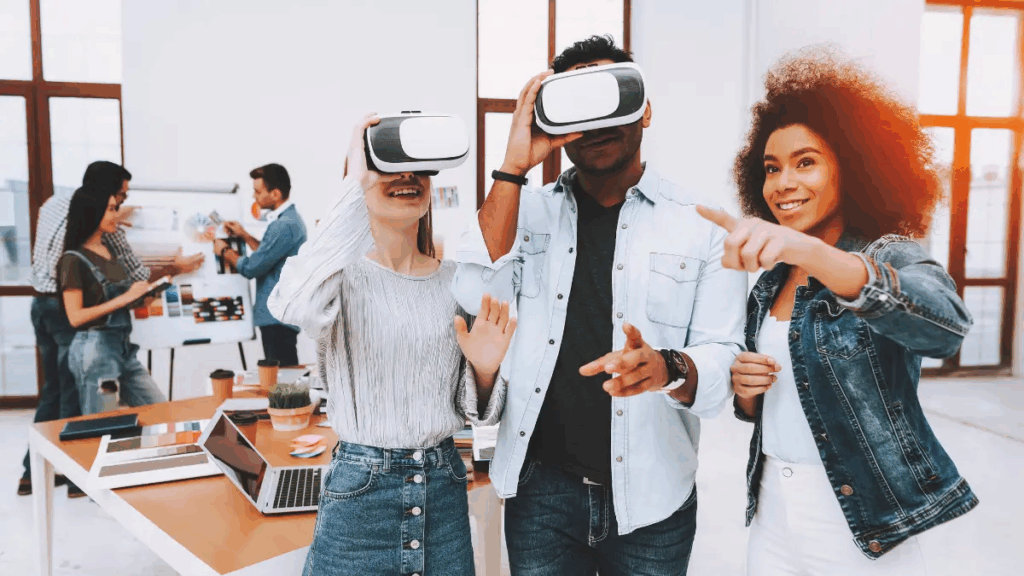
While VR fully immerses a participant in a virtual environment, AR enhances the real-world surroundings by overlaying digital information or animations.
Imagine walking through a trade show and pointing your phone at a booth to see a 3D product model come to life. Or attending a festival where AR filters transform the venue into a glowing neon cityscape. These experiences make events more visually striking and can serve practical purposes, such as:
- Wayfinding: Interactive AR maps that guide attendees to specific areas.
- Product Demos: Virtual try-ons or exploded 3D views of complex machinery.
- Storytelling: Immersive narratives that unfold as guests move through the venue.
VR: Transporting Attendees Anywhere
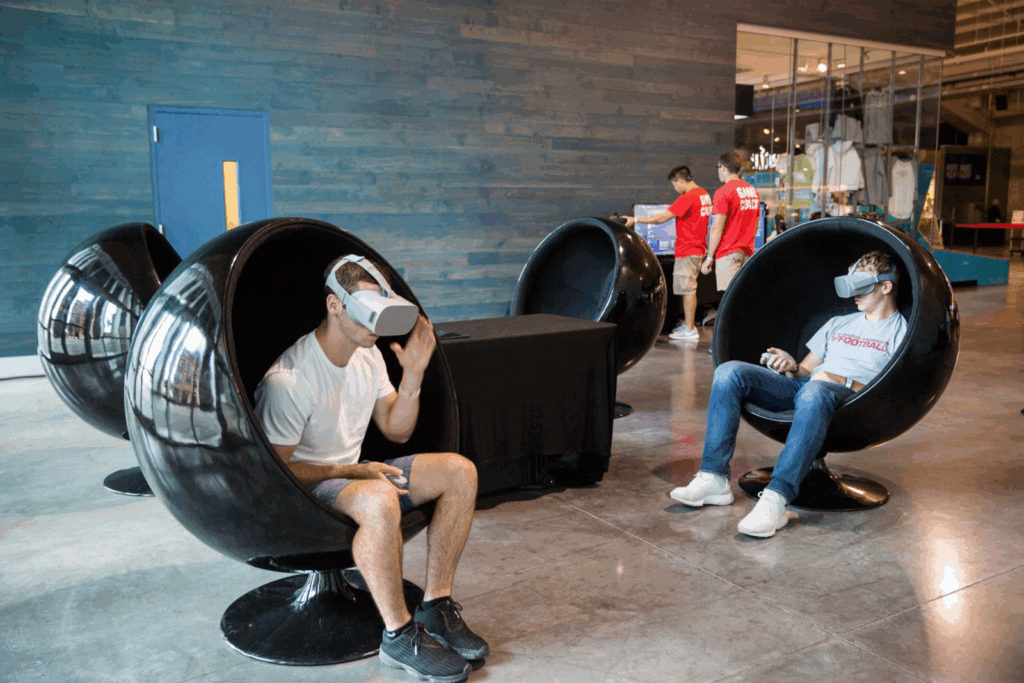
The power of VR lies in its ability to take participants to places that would otherwise be impossible to visit during an event. This might mean walking through a futuristic city, diving into a coral reef, or test-driving a concept car without leaving the venue.
Brands like Volvo have leveraged VR to simulate driving experiences, while outdoor gear companies have created immersive adventure simulations to showcase products. This “wow factor” not only draws crowds but also creates emotional connections, which are proven to boost brand loyalty.
Next-Level Entertainment Experiences
- Virtual Concerts: K-pop group ENHYPEN has hosted VR concerts that allow fans to feel as if they’re standing front row, even from across the globe.
- Mixed-Reality Theater: Story-driven experiences combine VR headsets, live actors, and interactive sets.
- Immersive Sports Viewership: Fans in stadiums can use AR to see real-time stats, player info, or instant replays directly in their field of view.
These experiences are not just novelties—they create shareable moments that attendees post on social media, extending an event’s reach.
Sponsorship and Brand Visibility
- Coca-Cola has used AR to overlay branded animations in stadiums.
- Pot Noodle created an AR career fair game to connect with students in an engaging way.
Because these experiences are visually captivating, they tend to generate organic social media buzz, multiplying brand exposure far beyond the event itself.
Hybrid and Inclusive Events
- Virtual networking lounges allow remote attendees to interact with on-site guests in real-time.
- AR name badges can display attendee info, making introductions easier.
- VR workshops and training simulations make educational sessions more accessible and interactive.
This inclusivity is critical for global events where not all participants can attend in person.
Versatility Across Event Types
- Corporate Conferences: Virtual product launches, AR-infused presentations.
- Trade Shows: Interactive booths with VR tours of facilities or products.
- Festivals: AR art installations and gamified challenges.
- Sports Events: AR overlays showing real-time data, or VR experiences putting fans in an athlete’s shoes.
Regardless of the setting, AR and VR elevate engagement, provide a modern edge, and ensure guests leave with lasting impressions.
Final Thoughts
AR and VR games are no longer just flashy add-ons—they’ve become essential engagement tools for modern events. They combine entertainment, branding, and education into experiences that participants remember, talk about, and share online. For event organizers, they represent not just a way to impress guests, but a strategic investment in deeper audience connection.
Whether you’re planning a corporate trade show, a sports fan festival, or a hybrid conference, embracing AR and VR can transform your event from memorable to unforgettable.


